
Cataract Surgery in Birmingham, AL
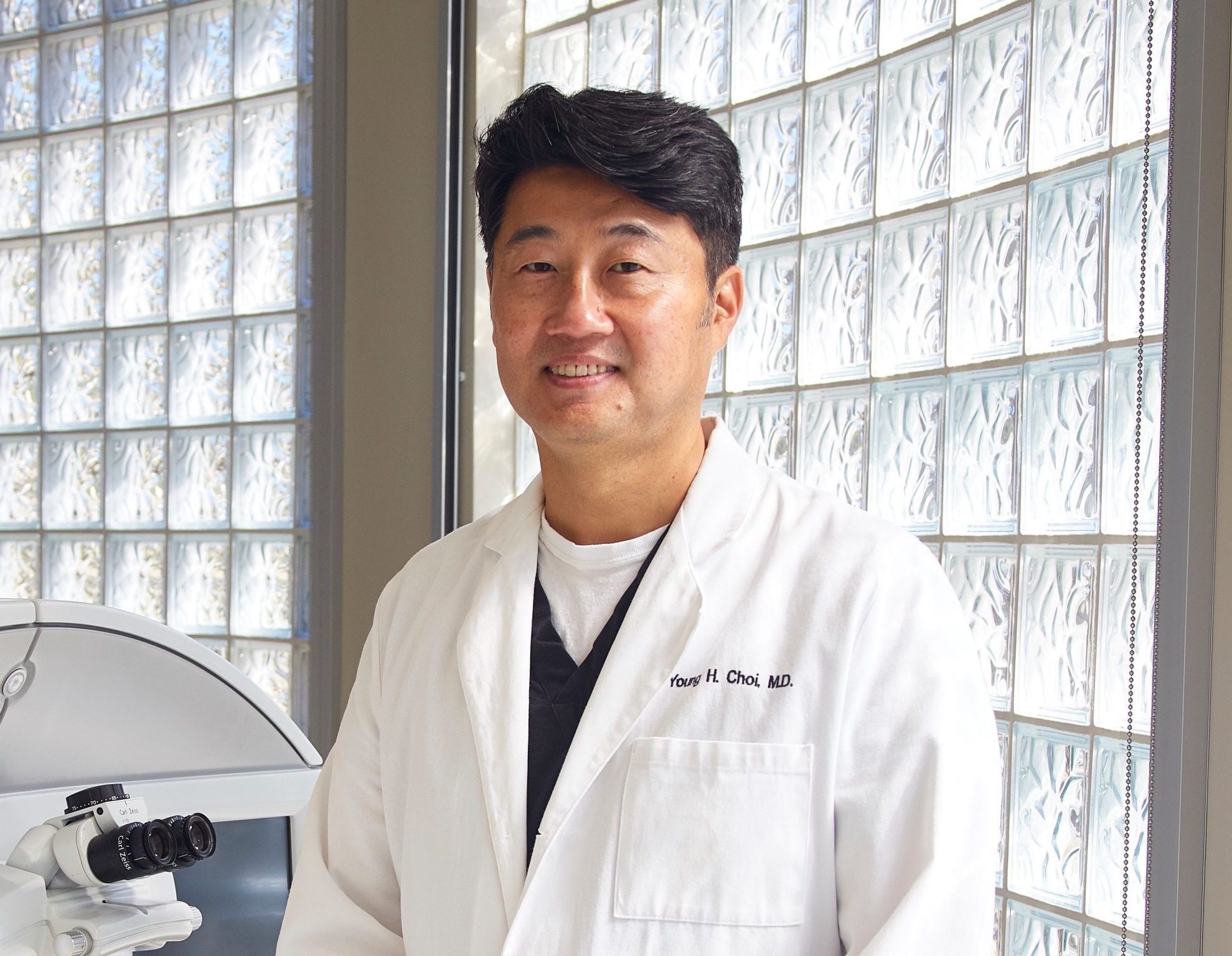
If cataracts make it hard for you to drive at night, read a menu, or see the faces you love, you don’t have to live with the haze. At Young H. Choi, M.D. Eye Surgery Center in Vestavia Hills, Dr. Choi performs cataract and lens implant surgery that restores the clear vision you’ve been missing — covered by Medicare and most insurance plans.
Schedule Your Consultation with Dr. Choi


What Are Cataracts?
A cataract is a clouding of your eye’s natural lens that makes your vision blurry, dim, or hazy. It happens slowly, usually as a normal part of getting older, so many people don’t realize how much vision they’ve lost until everyday tasks start to feel harder.
Cataracts are extremely common, and the good news is they’re very treatable. Surgery to remove them is one of the most common and successful surgical procedures in all of medicine.
Because cataracts develop gradually, a regular eye exam is the best way to catch them early. We recommend a comprehensive exam at least every other year to monitor your vision and overall eye health.
-
What Are the Symptoms and Causes of Cataracts?
The most common sign of a cataract is blurry or hazy vision that doesn’t improve with a new glasses prescription. You might also notice poor night vision, more glare or halos around lights, or colors looking more faded or muddy. Cataracts aren’t painful, so they can quietly develop for years before they start to bother you.
Cataracts develop as a natural byproduct of aging because, as we all get older, the proteins in our eye lenses naturally deteriorate — it happens to everyone. But some people develop cataracts for other reasons or much faster than others. Smoking, heavy alcohol use, getting too much sun exposure, systemic conditions like diabetes, or eye diseases (like glaucoma) can all speed up its progression, which is why protecting your eyes and keeping up with exams matters.
What Is Cataract Surgery
Cataract surgery is a short, outpatient procedure in which a highly trained eye surgeon removes your cloudy lens and replaces it with a clear artificial lens, called an intraocular lens (IOL). You’re awake for the full procedure, but your surgery team will administer a local anesthetic that keeps you comfortable. The whole thing usually takes less than half an hour per eye.
Here’s how it works at our Vestavia Hills surgery center:
- First, Dr. Choi makes a tiny incision in the surface of your eye.
- Next, He gently removes the cloudy lens.
- Finally, Dr. Choi places your new IOL exactly where your natural lens used to be.
With your new lens(es) in place, you will immediately notice how much clearer your vision is and how much better your eyes can focus than before. Dr. Choi performs each cataract procedure using the latest lens technology for precision and safety. Recovery is usually quick — more on that below.
Schedule Your Consultation with Dr. Choi

Is It Time for Cataract Surgery?
It’s wise to begin considering cataract surgery when your blurry vision starts getting in the way of daily activities — driving, reading, working, or just enjoying your hobbies.
Don’t wait until you can barely see. If cataracts are holding you back, surgery is worth a conversation.
A few signs it may be time:
- Glasses or contacts no longer sharpen your vision like they used to.
- Driving has become difficult or stressful.
- Glare and halos around lights give you eye sensitivity or headaches.
- Colors now look noticeably duller, more faded, or yellower.
- You have to strain to read or perform tasks that require a close look.
The only way to know for sure what’s causing these vision issues is by getting an eye exam. During your consultation with Dr. Choi, he will examine your eyes, confirm whether cataracts are the cause of your vision issues, and walk you through your treatment options. Then you can decide the next steps at your pace, with no pressure.

Does Medicare Cover Cataract Surgery?
Yes, Medicare and most insurance plans cover medically necessary cataract surgery, including a standard lens implant. Cataract surgery is considered a medical procedure, not an elective one, so the core surgery is typically covered.
Here’s what you need to know up front: your coverage pays for the surgery and a standard monofocal lens. If you choose to upgrade to a premium lens to reduce your need for glasses or correct other vision issues, that is usually an out-of-pocket cost.
In other words, the surgery that restores your clear vision is covered. Doing more than that, like correcting astigmatism or reducing your reliance on glasses, is an optional choice that’s entirely up to you. Our team is happy to help you review your specific plan and understand your options before you decide on anything.
Your Lens Options: Standard and Premium
Every cataract surgery replaces your cloudy lens with a clear IOL. The question is which lens type is right for you, based on your vision needs, and you’ve got real choices.
Navigate between the options below by clicking on them to see their descriptions and compare. Please note: monofocal lenses are the sole “standard” option; all other lens options listed here are “premium” lens types.
-
Monofocal Lenses (standard option; insurance-covered)
Monofocal lenses give you clear vision at one distance (usually far away) and are covered by Medicare and most insurance. You’ll likely still need glasses for reading and close-up tasks, but your distance vision will be sharp, which is wonderful when your cataracts make it hard to see while driving.
-
Multifocal Lenses
Multifocal lenses give you clear vision at both near and far distances, so you reach for the reading glasses or bifocals much less often.
-
Toric Lenses
Replacing your cloudy, natural eye lenses with Toric lenses (instead of a standard IOL) during your cataract surgery also corrects astigmatism, sharpening your vision and reducing distortion in one procedure.
-
Extended Depth of Focus (EDOF) Lenses
EDOF lenses give you a smooth range of vision from near to far, with a lower risk of halos or glare than multifocal lenses.
Not sure which lenses best fit your vision needs and daily activities? That’s exactly what your consultation is for. Dr. Choi will recommend the best option based on your vision, eye health, and usual activities.
| Feature | Standard Cataract Surgery | Premium (Refractive) Cataract Surgery |
| Cataract removal | ✔ | ✔ |
| Vision correction (astigmatism, presbyopia) | ✘ | ✔ |
| Lens type | Standard monofocal | Premium IOL (multifocal, toric, EDOF) |
| Need for glasses after surgery | Still likely | Greatly reduced |
| Typical cost | Covered by Medicare/insurance | Premium upgrade, out-of-pocket |


Refractive Surgery: The Premium Cataract Surgery Upgrade
If you’d love to remove your cataract(s) and depend less on glasses, refractive cataract surgery is the upgrade that does both. It’s the same procedure as standard cataract surgery, but instead of a basic monofocal lens, Dr. Choi uses a premium IOL to correct refractive errors like nearsightedness, farsightedness, presbyopia, and astigmatism.
The result? Brighter, sharper vision at greater distances and less dependence on glasses. According to the American Academy of Ophthalmology, 90–95% of patients who choose premium IOLs see a significant reduction in their need for glasses.
Just remember: premium lens upgrades are usually out-of-pocket, as insurance typically only covers the standard procedure.
Want to learn more? Read Refractive Cataract Surgery vs. Standard Cataract Surgery and Choosing the Best Lens Option for Refractive Cataract Surgery.
Recovery and What to Expect
Most people are pleasantly surprised by how smooth cataract surgery recovery is. Here’s what the days and weeks afterward usually look like.
-
Short Term: The first few days
Please arrange for someone to drive you home after surgery, as mild discomfort, light sensitivity, and a little blurriness are to be expected. Within just a few days, your vision starts to clear and keeps improving over the following weeks as your eye gets used to its new lens.
Dr. Choi asks patients to wait several days before driving, especially at night, until any light sensitivity fades.
-
Long Term: The weeks ahead
As you heal, you’ll gradually get back to your normal activities with clearer vision than you’ve had in years. With a premium lens, most patients enjoy lasting freedom from glasses for everyday tasks like driving and reading.
If anything ever seems off during your recovery, contact our team right away. We’ll be here for you the whole way through.
Why Choose Dr. Young H. Choi?
- 15+ years of surgical excellence
- Boutique, patient-focused approach
- Reputation as one of the Southeast’s most trusted cataract surgeons
- Advanced technology and premium IOL options are not available everywhere in Alabama
Seeing Is Believing:
Hear From Our Patients
Our team takes real pride in the difference that clear vision makes in our patients’ lives. Here’s what a few of them have to say.

Frequently Asked Questions
-
Am I a candidate for cataract surgery?
These are the traits of an ideal candidate for cataract surgeries:
- Age 50+ with cataracts
- Desire for reduced dependence on eyeglasses
- Presence of astigmatism, presbyopia, or high prescriptions
- An active lifestyle (e.g., sports, travel, or professional life) where glasses are inconvenient
- Patients who are willing to invest in premium lenses for lifestyle outcomes
-
How long does cataract surgery take?
Cataract surgery usually takes less than 30 minutes per eye. It’s an outpatient procedure, so you’ll go home the same day.
-
Is cataract surgery painful? Will I be awake?
Cataract surgery isn’t painful. You’ll be awake, but your eye will be fully numbed, and you’ll be kept comfortable throughout. Most patients feel nothing more than a little bit of pressure.
-
How long is the recovery after cataract surgery?
Most patients notice clearer vision within a few days, with full results coming over several weeks. You’ll need someone to drive you home, and you should avoid driving for a few days afterward.
-
Can both eyes be done at once?
Usually, no. We typically perform cataract surgeries on one eye at a time, a couple of weeks apart, so each eye can heal properly and you can still see with one eye while the other is recovering. Dr. Choi will lay out the right timeline for you at your consultation.
-
Does insurance cover cataract surgery?
Medicare and most insurance plans cover medically necessary cataract surgery and a standard lens. Premium lens upgrades that reduce your need for glasses are usually out-of-pocket. Our staff can help you check your plan.
-
Will I still need glasses after surgery?
It depends on your lens choice and your eyes. A standard monofocal lens gives you sharp distance vision, but you’ll likely still need reading glasses, while premium lenses are designed to reduce your dependence on glasses at various distances.
-
Who is the best cataract surgeon in Birmingham, AL?
Dr. Young H. Choi is one of the most trusted and experienced cataract surgeons in the Greater Birmingham, Alabama area, with board certification, 15+ years of top-notch surgical experience, and a long record of happy patients. Cataracts are one of his specialties.
Our Surgery Center Location
Dr. Choi proudly serves patients in Vestavia Hills, Mountain Brook, Hoover, and communities across the Greater Birmingham, AL area, with additional offices in Northport and Prattville.
